Trip Planning and the Future of Travel

The Travel Planning Process
Planning a trip can sometimes be challenging but is crucial to figuring out where to go without spending too much money.
Step 1: Start with Flights
Find the cheapest flight into the destination, or the region if you don’t have a set place in mind. Look at capitals and largest cities of more developed countries in the region. Consider regional airlines and discount carriers, but understand the full cost of your travel, including getting to and from the airport and baggage fees.
Step 2: Plan the Routes
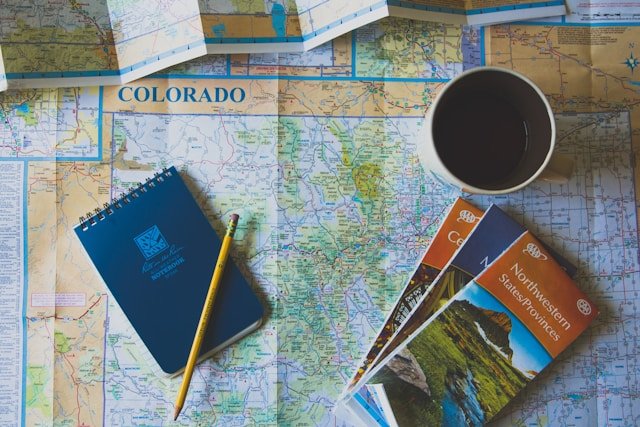
Pick some major cities and/or sights in the region, and draw logical lines on the map. Check transportation routes and schedules, considering cost, travel times and connections. If you’re traveling to a less developed country, don’t look at travel distance—road quality can vary dramatically. Instead, refer to travel times and allow for unexpected delays.
Step 3: Plan the Schedule
Make a rough schedule on paper of approximate dates in each place and the method of transportation to get from town to town. Remember rule number one: stay flexible. Do not commit to anything, and do not make reservations anywhere, with the exception of a hotel for the first few nights after you arrive.
Using AI for Trip Planning
AI tools can quickly generate personalized travel plans, saving hours of manual research and coordination. From solo trips to family vacations, itinerary tools help streamline bookings, routes, and daily activities.
| Benefit | Description |
|---|---|
| Fast and Flexible Planning | Quickly generate suggested itineraries based on your input |
| Personalized Suggestions | Get ideas that match your travel style |
| Efficient Research Support | Summarize travel blogs and compare destinations |
| Helpful for Budgeting | Estimate spending and suggest destinations that align with your budget |
| Interactive Planning | Refine details like transport options and reservations through conversation |
- Start broad: Ask “Where can I travel in Europe for 7 days in September with mild weather?”
- Refine goals: Say “Plan a nature-focused 5-day itinerary in Costa Rica with light hiking and beach time.”
- Build daily itinerary: Ask “Create a 3-day itinerary for Tokyo with landmarks, food, and local markets.”
- Get suggestions: Ask “What’s the best way to get from Rome to Florence by train?” or “Which restaurants in Barcelona serve traditional Spanish cuisine?”
- Export or organize: Request the AI to format your itinerary into a bullet-point list or daily planner.
Important Note: While AI can suggest ideas, confirm booking availability, open hours, and entry requirements with official sources before finalizing plans. AI tools do not connect to live booking systems and may lack local nuance or up-to-date information.
The Future of Travel
The list of “50 of the world’s best travel destinations in 2026” is not a geographical race, but a competition of ideas. In that world, a museum can become a journey, a road can become a memory, and a small space can become a global destination if it touches people’s emotions.
Travel, after all, is no longer about how far you go, but how deep you go. Whether you are a solo adventurer, a family seeking new experiences, or a couple looking for romance, the world in 2026 offers more opportunities than ever to find experiences that resonate with your personal story. The key is to plan thoughtfully, travel responsibly, and embrace the unexpected—because those moments of surprise are often the ones that become the most cherished memories.